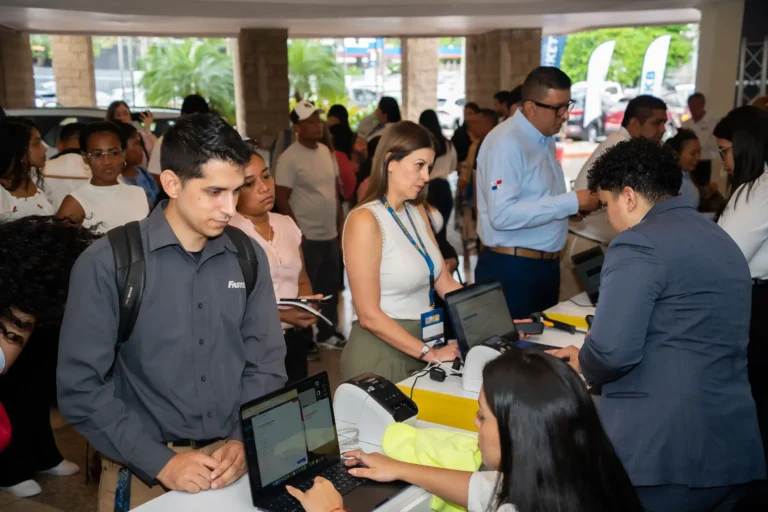
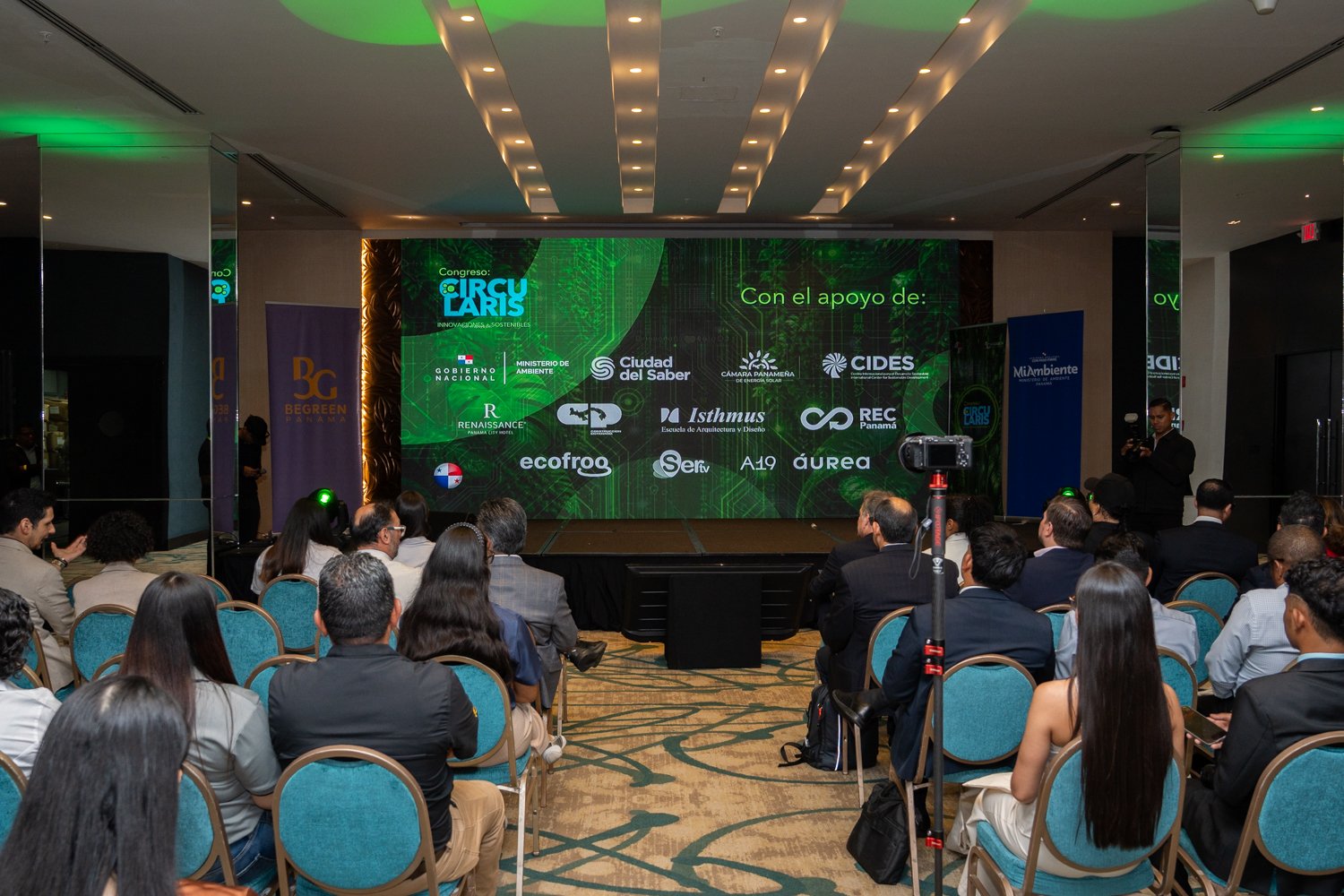
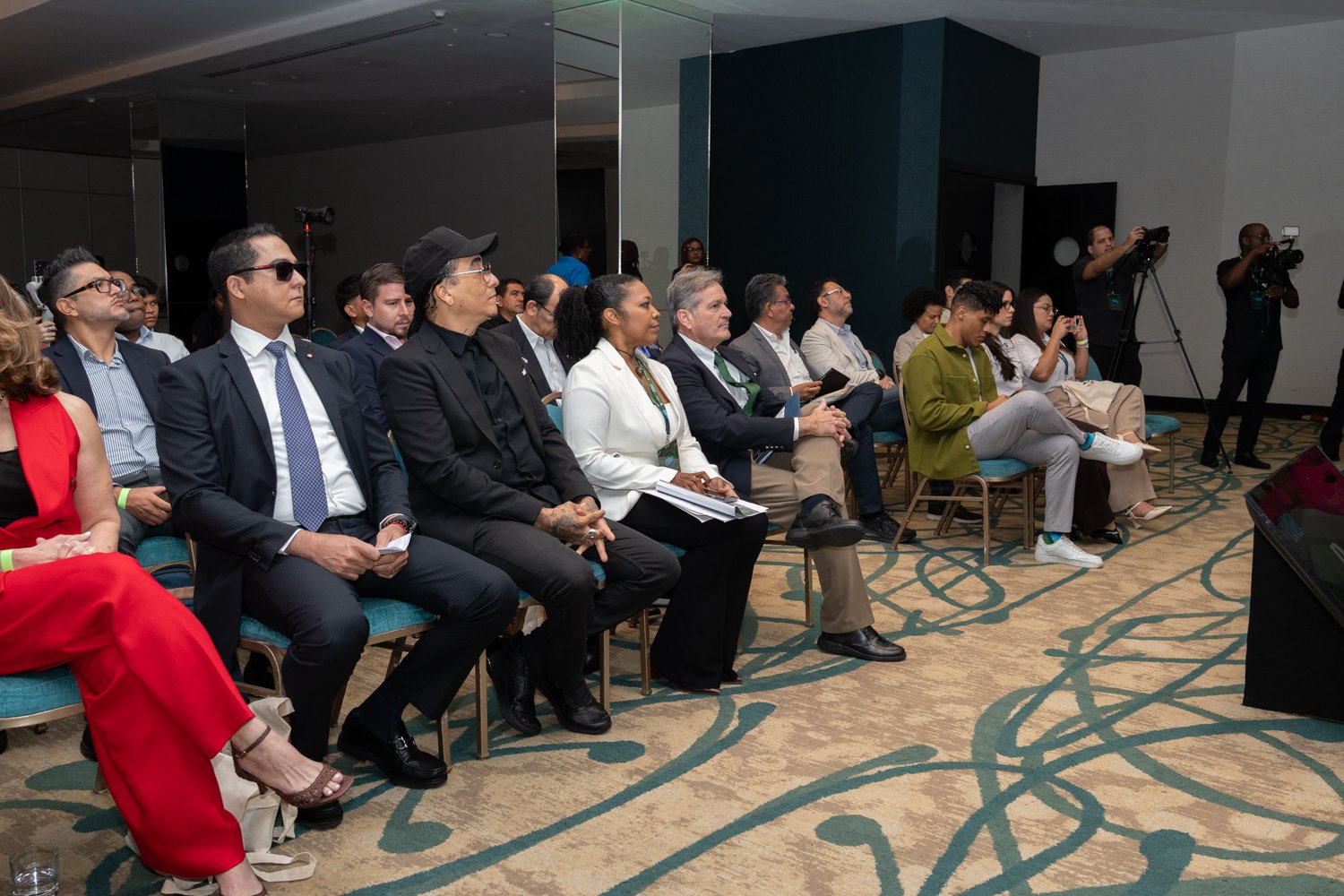
On November 26, 2026, the Renaissance Panama City Hotel in Panama City hosted the second edition of the Circularis Congress – Sustainable Innovations. In a single day, more than 40 speakers from government, banking, architecture, recycling and solar energy showed how the circular economy is moving from talk to measurable projects.
This summary covers the highlights of the talks, the figures presented and the takeaways for the construction sector. For the event details, see the Circularis Congress listing on ConstructHUBS.
What was the Circularis Congress 2026?
The Circularis Congress 2026 was a circular economy and sustainability event held on November 26, 2026, at the Renaissance Panama City Hotel in Panama City. It was the second edition, powered by Be Green Panama and directed by Anubis Vrussh, and brought together more than 40 speakers in 10-minute talks, a parallel masterclass room and B2B networking. This year it made architecture a core theme, because design decisions determine much of a building’s environmental impact.
| Item | Details |
|---|---|
| Name | Circularis Congress – Sustainable Innovations |
| Edition | Second (the first was in 2025, at Ciudad del Saber) |
| Date | November 26, 2026 |
| Venue | Renaissance Panama City Hotel, Vía España, Panama City |
| Organizers | Be Green Panama (Melissa Martínez) and the congress director (Anubis Vrussh) |
| Format | Main stage with 10-minute talks, 8 masterclasses in a parallel room and B2B networking |
| Supporters | Ministry of Environment, Ciudad del Saber, Panamanian Solar Energy Chamber (CAPES), CIDES, National Circular Economy Network, Construcción en Panamá, Isthmus, EcoFrog, Desarrolladora Aurea, A19, REC Panamá and Renaissance Panama City Hotel |
| Topics | Public policy, sustainable finance, architecture and construction, waste and recycling, water, solar energy and entrepreneurship |
Opening: “you are the magic formula”
Minister of Environment Juan Carlos Navarro opened the day with a direct message: sustainability depends on what each company, NGO, trade association and institution does within its own operations. He noted that a memorandum of understanding was signed at the first edition, at Ciudad del Saber, and that the ministry has followed up on it.
Navarro called for faster progress on four fronts: solar energy wherever possible, electric mobility, serious waste management, and production processes designed from the start with their end in mind. He also recognized Anubis Vrussh and Melissa Martínez as the driving force behind the congress.
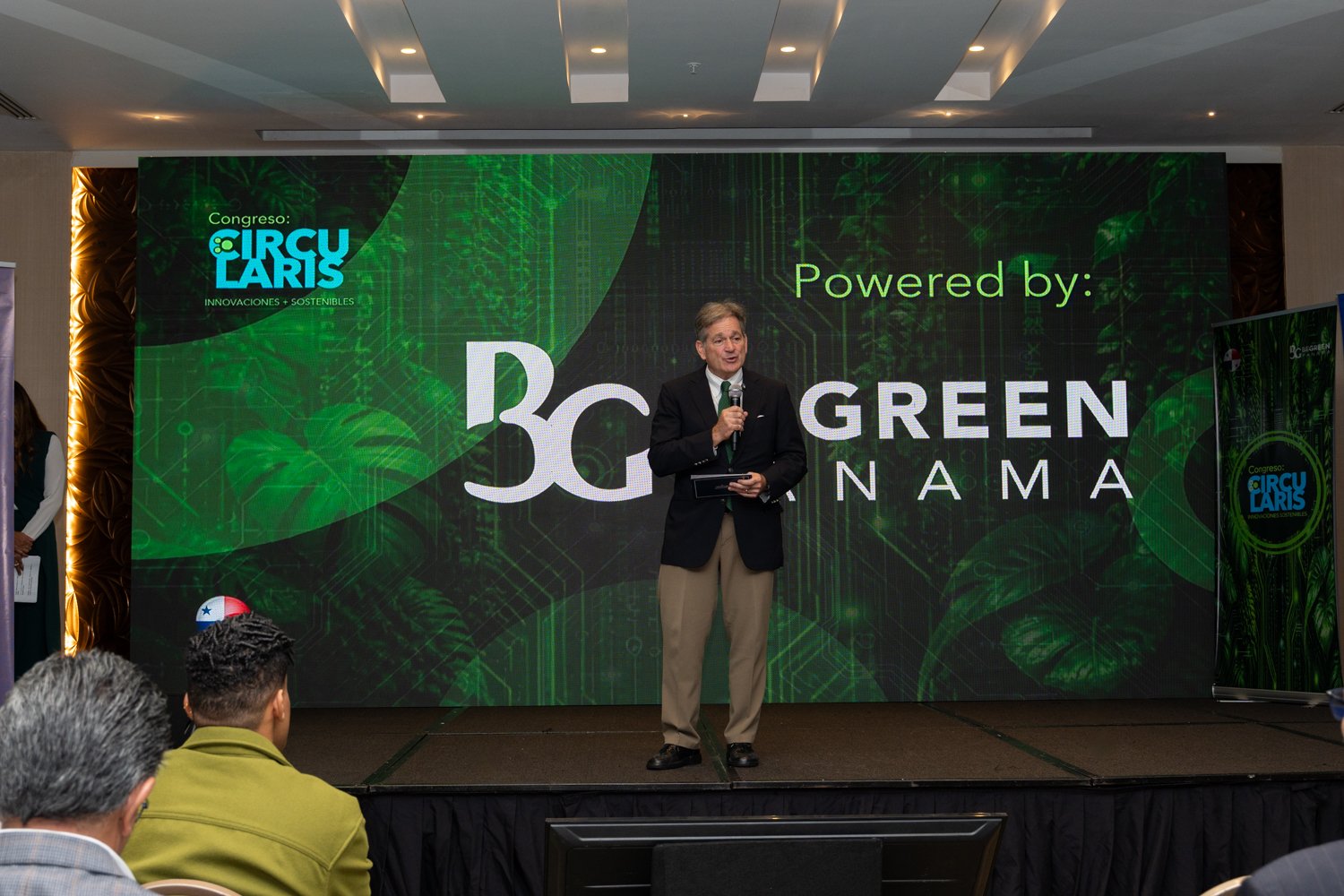
Melissa Martínez of Be Green Panama explained why this edition added architecture: it is the discipline where many of the decisions that later define a project’s energy, water and material use are made.
Highlights by theme
1. Public policy: from Law 502 to implementation
Panama already has a legal framework: Law 502 of 2025 sets rules for implementing the circular economy as an environmental strategy. The challenge repeated throughout the day was turning it into results.
- MiAmbiente (Kirving Lañas) outlined the tools under way: circularity guides by sector (poultry and lodging, with industry and construction coming next), the first extended producer responsibility guide for tires, a sustainable public administration manual and the first national sustainable consumption strategy.
- The National Circular Economy Plan will be built through geographic clusters, with targets by province and an indicators platform supported by ECLAC. The first in-person workshop was scheduled for December 2 at the Metropolitan Natural Park.
- SEIA 2.0, presented by MiAmbiente, digitizes the entire environmental impact assessment process: submission, admission, evaluation and decision, with a map viewer, electronic notifications and online public participation. For developers and consultants it means less paper and fewer trips to government offices.
- CIDES (Alida Spadafora) presented the National Circular Economy Network, approved at the end of 2025, with about 93 members and six focus areas: waste, circular industry and construction, water, agribusiness, energy and cities. It is building a public repository of experiences with the Technological University of Panama.
- Water (Eric Martínez, Pro Rescate del Agua): more than 34 regulations and about 14 institutions with water responsibilities, poorly coordinated. Panama reported 40% progress in integrated water resources management in 2023, compared with a 57% global average. The initiative proposes a National Water Security Council, a stronger ASEP regulator and a single authority for the whole water cycle.
- Distributed energy (Gabriel Solís, National Assembly): bill 308 proposes “remote net metering”, which would let people generate solar power in one place and credit it on the bill of another, aimed at those who live in condominiums or rent. It passed its first debate and the second is expected in January.
2. Sustainable finance: sustainability is now a lending criterion
- Banco General (Carlos Rivas): financing sustainability is not more expensive, because banks are looking for resilient projects. The 2018 Sustainable Finance Protocol will get a version 2.0 with climate criteria, aligned with the taxonomy and with IFRS S1 and S2, mandatory in Panama from 2029. For construction, the benchmark is roughly 20% less water and 15% less energy. LEED, EDGE or WELL certifications carry weight in the risk assessment.
- Banistmo (Valeria Rosales): issued Latin America’s first gender social bond in 2019 (USD 50 million) and in 2025 Panama’s first sustainable bond, of up to USD 100 million with IDB Invest. To access this financing, projects must come with data: footprint and measurable indicators.
- SGS (Carlos Bagnara): the carbon footprint has gone from an environmental metric to a business metric, and third-party verification is what gives it credibility. He noted that MiAmbiente’s Reduce Tu Huella program is free.
- Paula Molina (Consultora MC) explained carbon credits as a financing mechanism rather than “buying off guilt”. Yulina Murillo (Eficas) showed with an example that the cheapest equipment can cost more over 10 years because of energy use and maintenance. Ameth Rodríguez (Fundación Yerl) spoke about blue carbon and mangroves: Panama has a framework for its carbon market, but still lacks the measurement and verification method.
3. Architecture and construction: designing with the climate costs less than fixing it later
This was the richest block and the big new feature of this edition.
Bioclimatic architecture (Luis Herrera, Isthmus México): they simulated a four-story building in Panama’s climate. Using only orientation, solar protection and selective ventilation, the cooling load fell by about 38%, without changing materials or insulation.
| Cumulative strategy | Solar gain | Cooling load |
|---|---|---|
| Long axis east-west | −10% | −5% |
| + East and west facades closed | −40% | −13% |
| + 50% glazing instead of 100% | −70% | −25% |
| + Efficient solar shading | −85% | −35% |
| + Selective ventilation | — | −38% |
- Herrera added another useful figure: a 12,000 BTU air conditioner used 8 hours a day costs between USD 35 and 50 a month, and public buildings spend 55% to 65% of their energy on cooling.
- The building skin (Melissa Martínez, Be Green): the envelope regulates, filters and protects like our own skin. Properly specified, it lowers operating costs and the carbon footprint, and improves well-being.
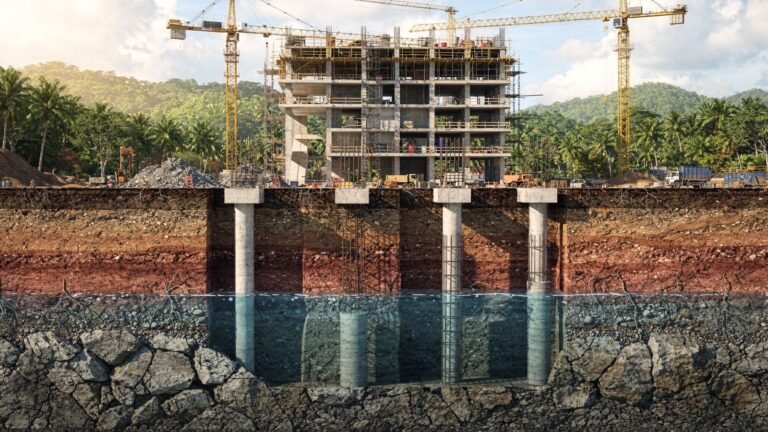
- Low-carbon concrete (Benjamín Valdés, Penetron): producing one ton of cement emits about one ton of CO₂, and architects determine up to 80% of a project’s environmental impact. He called for a green building code: more than half of what is built in Panama does not follow this kind of standard.
- LEED and EDGE in Panama (Olga Yuil): LEED assesses the building and its surroundings across eight categories, while EDGE focuses on energy, water and materials. Her lessons: start early, set clear scopes, and build multidisciplinary, bilingual teams. Rainwater harvesting is now part of more projects.
- Ciudad del Saber (Isabel Santos): La Plaza was Panama’s first LEED Gold certification in 2013 (36% water savings and 20% energy savings). The dormitories achieved the country’s first LEED Platinum. El Barrio is aiming for the first LEED for Homes, and the campus is part of a LEED for Cities pilot.
- Zero-energy building (Jorge Acosta, Arquitectura Natural): a police station in Valle del Cauca, Colombia, with bioclimatic design and 144 panels, has avoided 437 tons of CO₂.
- Passive House (José Sosa): insulation, airtightness, thermal bridge control, high-performance windows and mechanical ventilation with heat recovery. He measured surfaces of up to 60 °C at midday in Panamanian homes.
- Other cases: Desarrolladora Aurea (Daniel Ben Avi) presented A19, a WELL pre-certified residential building with setbacks twice the required distance and a ground floor open to the street. Bambú Lab (Jennia Monrroy) measured 30 °C under a thatched roof versus 42 °C under the roofs of nearby homes. Clandestino Lab (Juliana Luján) offers a recycled-plastic material for countertops and cladding, and Sintec (Manuel Cereijo) showed how automation cuts energy waste in buildings.
4. Waste and recycling: the challenge of 4,800 tons a day
Panama generates more than 4,800 tons of waste a day and, according to MiAmbiente estimates cited at the congress, recovers less than 5%.
- Marea Verde (Laura González): its floating barriers on the Juan Díaz, Matías Hernández and Río Abajo rivers have now captured more than one million kilos of trash before it reaches the bay. The next one will be on the Tapia River. The goal is all seven rivers in the city, with about 800,000 kg a year.
- Reciclando (Kirsten Chong): its digital directory grew from 35 to more than 97 drop-off points, lists more than 379 collection days and has more than 6,400 users. It is now focusing on education at the moment people recycle.
- Fundación Reverdecer (María del Carmen Carles): together with Recimetal it diverted 1,491 tons from landfill and trained more than 1,500 people. About 2,100 people work as grassroots waste pickers, and 80% of them are women. In 2027 a pilot will move 24 of them out of the Cerro Patacón landfill into selective collection routes.
- Betania community board (Humberto Echeverría): collects from more than 445 homes, is moving from door-to-door pickup to drive-thru drop-off points and is designing a transfer center. 40% of its energy is already solar.
- Ecológica PTY (Emiliana Bergada) runs recycling programs in condominiums. She called for regulations and enforcement: with clear policies, the industry could triple its impact in a year.
- Products made from waste: Luciérnaga makes lamps from recycled HDPE plastic. Simple AF makes products from textile waste (more than 15,000 pieces and USD 85,000 in wages for women it has trained). EcoFrog offers cleaning with ozonated water instead of chemicals.
5. Energy: Panama’s solar boom
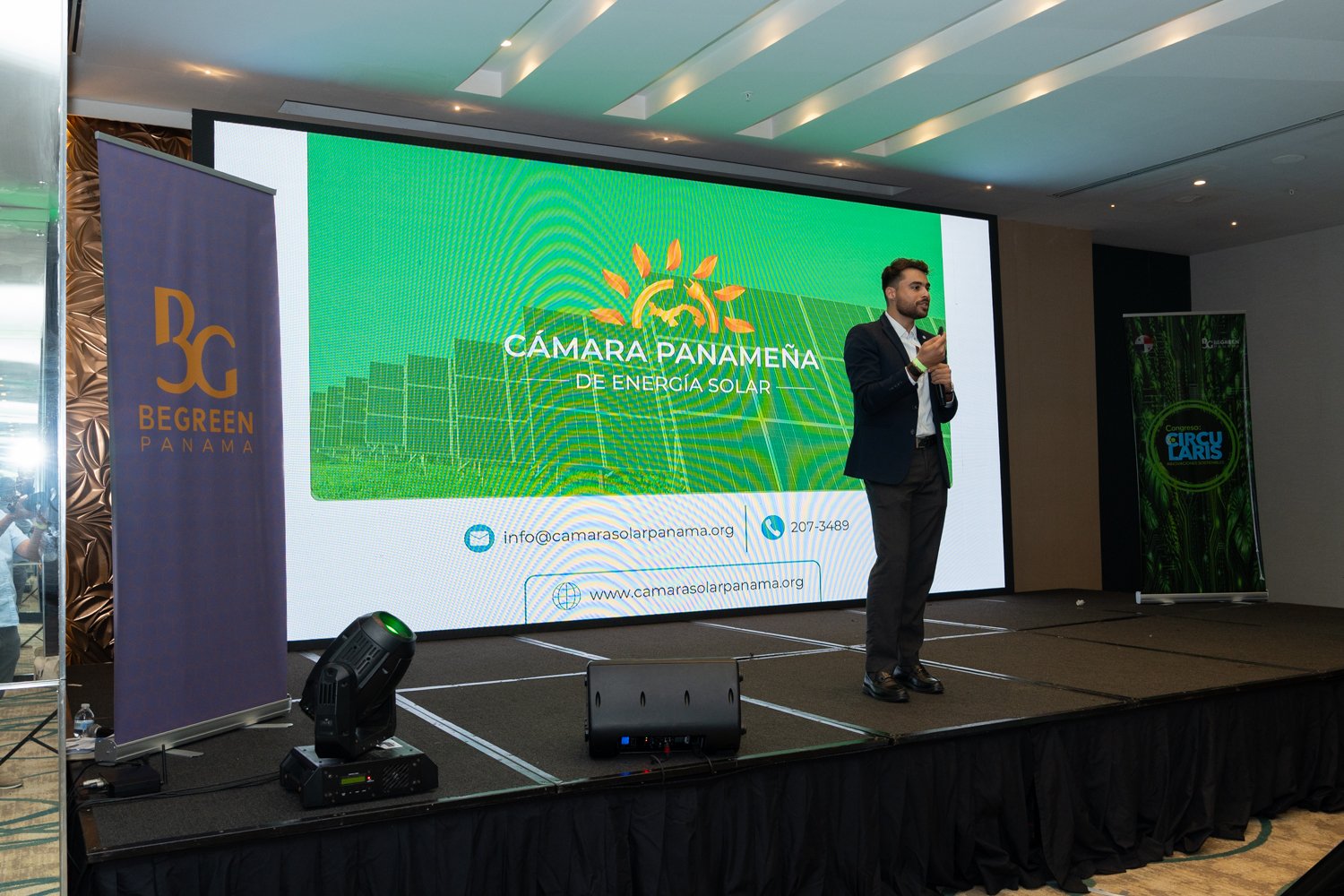
- Panamanian Solar Energy Chamber (Jesús González): more than 120 companies and 4,500 green jobs, with a goal of 11,000 new jobs by 2030. The country has more than 8,500 solar projects and 230 MW. More than 50 MW were installed in 2025, and 2026 is on track to exceed 60 MW. Most are residential and bank-financed, and more than 33 solar products are exempt from ITBMS sales tax.
- Regional context (Percy Garrido): Costa Rica leads Central America with 89% renewable generation; Panama is at about 72.9%. Panama’s solar capacity has grown roughly eightfold since 2016, driven by the large-customer market.
6. Entrepreneurship, community and data
- Ciudad del Saber (Valeria Mendoza): one in three people in Panama is starting a business, but fewer than 15% of startups survive beyond 3.5 years. Its free, four-month incubation program has supported cases such as Clandestino and Simple AF.
- Esri (Rocío Vega): sustainability starts with geography. Mapping waste, collection centers and resources determines whether a circular model is viable.
- Design with communities (Alejandro Pachón, Isthmus Panamá) and CSR with impact (Diego Saltarén, AIESEC) closed with the same idea: solutions work when they are created with the people who will use them.
Construcción en Panamá and ConstructHUBS, media partner of Circularis 2026
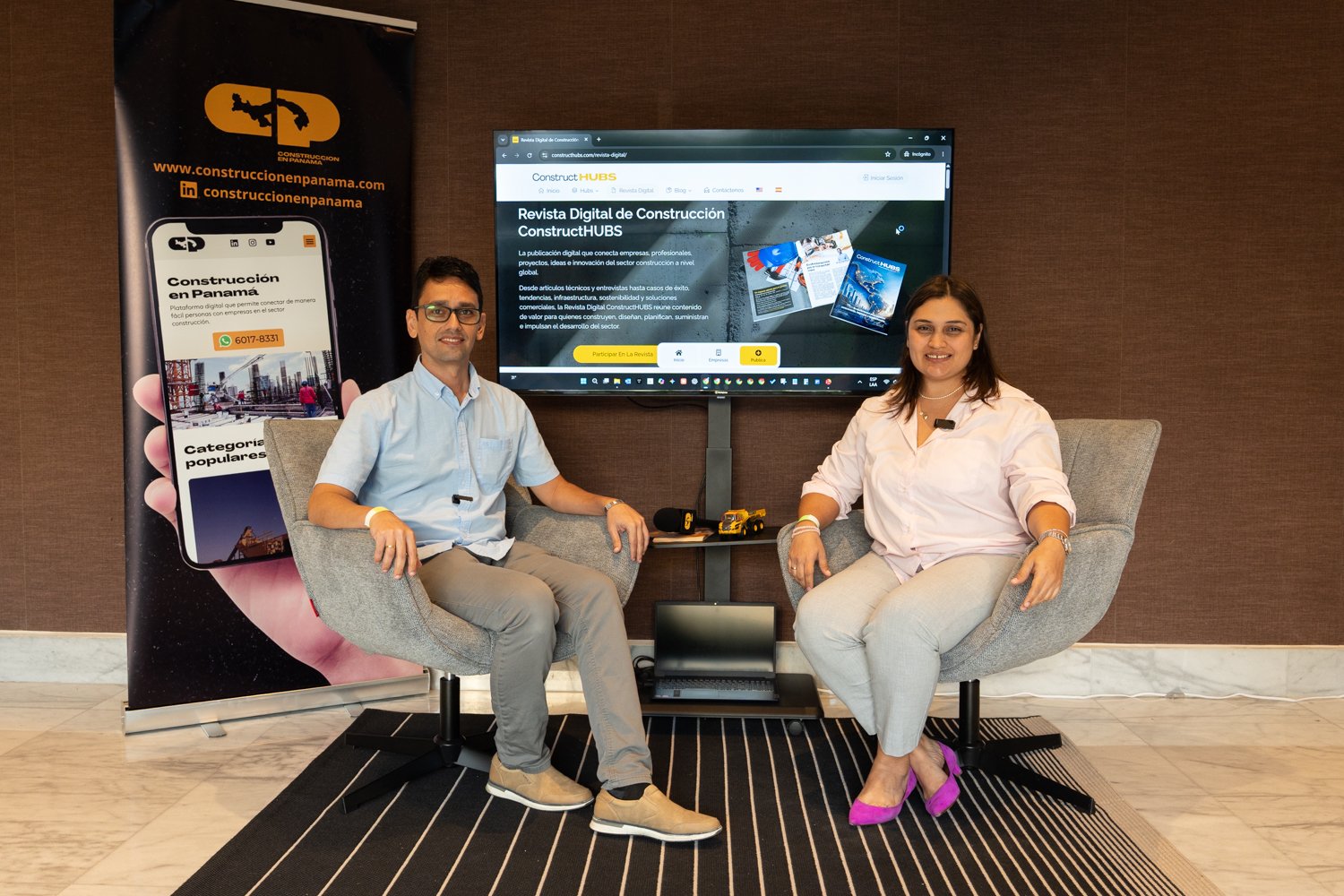
Construcción en Panamá and ConstructHUBS took part in Circularis 2026 as a media partner. During the day we had our own space at the hotel, where we interviewed several speakers about their sustainable construction, architecture and circular economy projects.
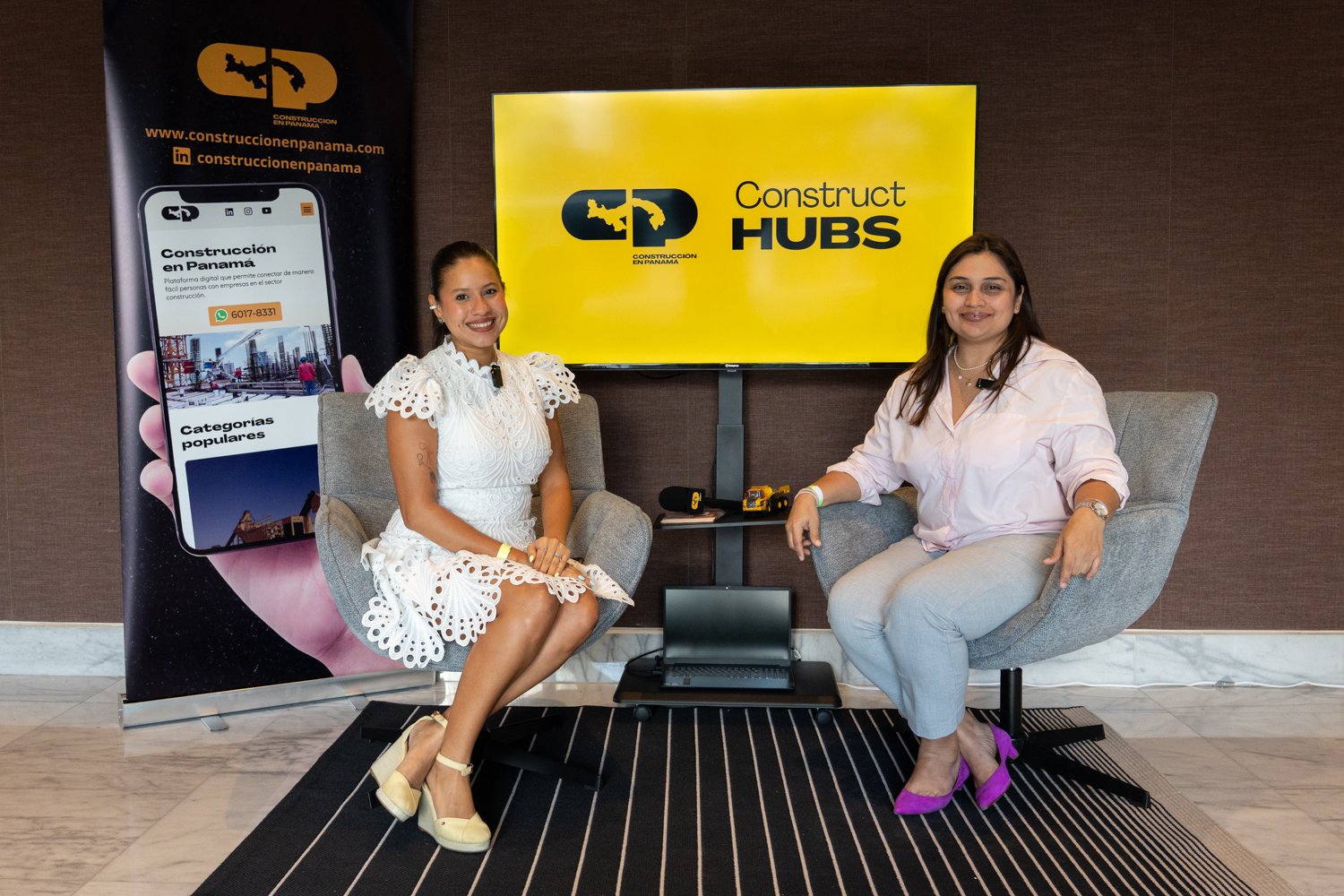
These conversations let us go beyond each 10-minute talk and bring companies and professionals closer to the solutions presented. In our digital magazine we keep giving space to the people who are changing the way Panama and the region build.
Key figures and takeaways from Circularis 2026
| Figure | What it means | Source at the congress |
|---|---|---|
| 4,800 t/day | Waste generated in Panama; less than 5% is recovered | MiAmbiente, cited by Reciclando |
| −38% | Cooling load cut with orientation, solar shading and ventilation alone | Isthmus México |
| ~20% water / ~15% energy | Benchmark savings for banks to consider a building sustainable | Banco General |
| 2029 | Year IFRS S1 and S2 become mandatory in Panama | Banco General |
| 1+ million kg | Trash captured by the barriers on the city’s rivers | Marea Verde |
| 8,500+ projects / 230 MW | Solar capacity installed in Panama | CAPES |
| 80% | Share of grassroots waste pickers who are women | Fundación Reverdecer |
Five takeaways for the construction sector:
- Design is the first link in circularity. Decisions on orientation, envelope and materials matter more, and cost less, at the start than in a retrofit.
- Sustainability now unlocks credit. Banks reward resilient, certified projects, but they require measurable data.
- Measuring is a must. Carbon footprint, indicators and third-party verification came up in almost every talk.
- The law exists; regulations and enforcement are missing. Industry, recycling and water voices asked for Law 502 to be turned into clear rules.
- No scale without partnerships. Government, companies, academia, communities and grassroots waste pickers need to work together.
Frequently asked questions about the Circularis Congress
When and where was the Circularis Congress 2026 held?
On November 26, 2026, at the Renaissance Panama City Hotel (Vía España and Ricardo Arias Street) in Panama City. It was the second edition; the first took place in 2025 at Ciudad del Saber.
Who organizes the Circularis Congress?
It is powered by Be Green Panama, with Melissa Martínez, and directed by Anubis Vrussh. In 2026 it was supported by the Ministry of Environment, Ciudad del Saber, the Panamanian Solar Energy Chamber, CIDES and the National Circular Economy Network, among others.
What topics were covered?
Circular economy and Law 502, sustainable finance, bioclimatic architecture and certifications (LEED, EDGE, WELL, Passive House), low-carbon concrete, recycling, water governance, solar energy and sustainable entrepreneurship.
What is Panama’s Law 502?
It is the 2025 law that sets rules for implementing the circular economy as an environmental strategy. According to MiAmbiente, it is the basis for the National Circular Economy Plan, sector guides and the first national sustainable consumption strategy.
Is sustainable construction more expensive in Panama?
Not necessarily, according to the speakers. Banco General said financing sustainability costs no more, and the Isthmus México simulation showed that orienting a building well and shading it from the sun cuts cooling without much added cost if it is decided at the design stage.
Will there be a Circularis Congress 2027?
Yes. The organizers are preparing the third edition for 2027, with more new features. ConstructHUBS will publish the date and agenda as soon as they are announced.
See you at Circularis 2027
Circularis 2026 went ahead despite a lack of internet, technical setbacks and tight schedules, and it made one thing clear: Panama already has the laws, financing, talent and real circular economy projects. The next step is to scale.
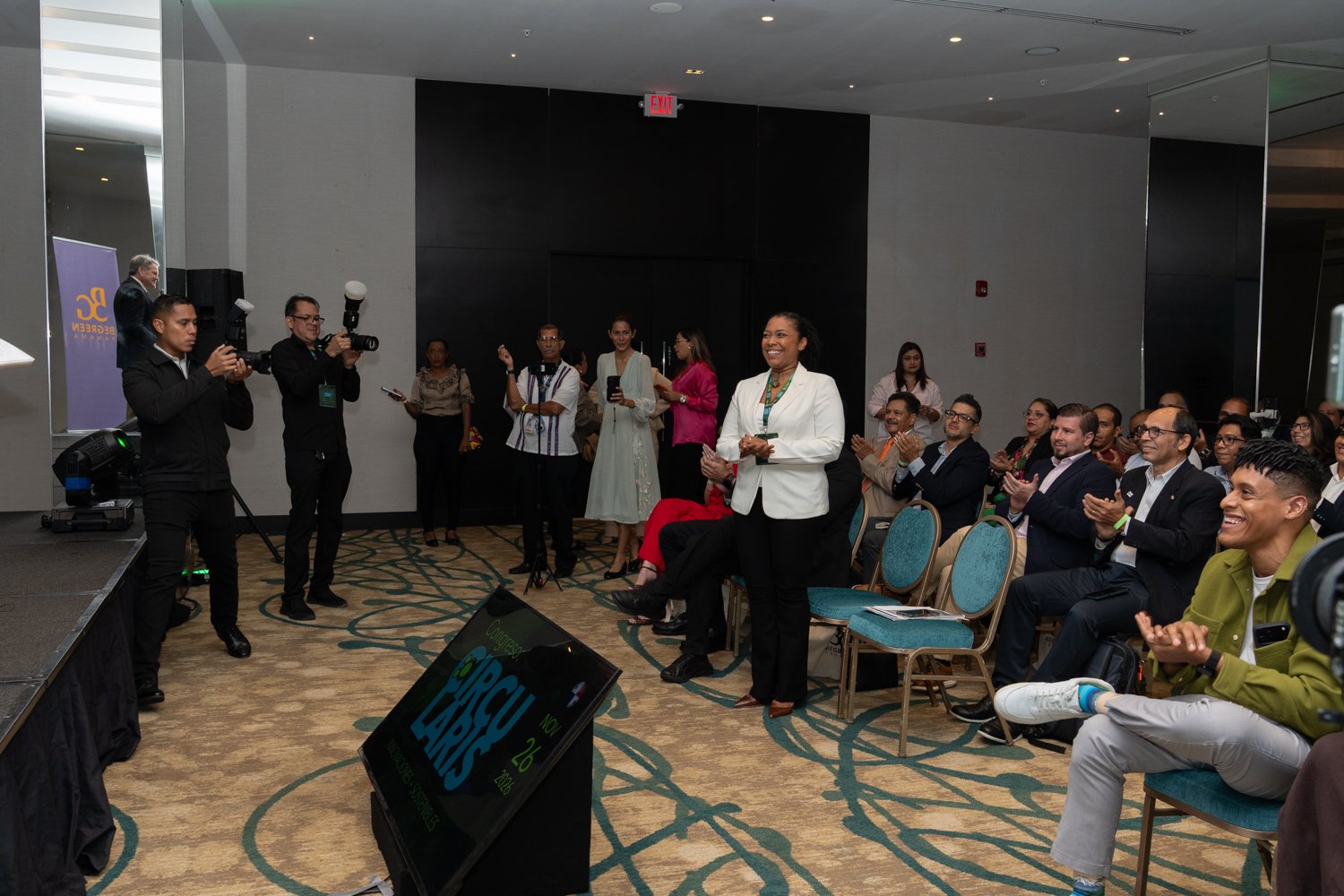
The third edition will arrive in 2027 with more new features, more voices from the region and new opportunities to connect projects, companies and sustainable solutions. As the congress media partner, ConstructHUBS congratulates Be Green Panama, the whole organizing team, the speakers and the sponsors for making it happen.
We look forward to seeing you at Circularis 2027. In the meantime, if your company works in sustainable construction, bioclimatic architecture or the circular economy, add your profile to the ConstructHUBS directory and follow the monthly issues of ConstructHUBS magazine so you don’t miss the call for the next edition. You can read more industry news in ConstructHUBS News.