



ConstructHUBS: connect with companies, projects, and knowledge from the construction industry
The digital hub that brings together companies, suppliers, professionals, events, technical articles, and business opportunities in construction, architecture, engineering, and innovation.
Company Hubs Discover companies, suppliers, and partners from the construction industry on ConstructHUBS.
Why join ConstructHUBS? ConstructHUBS was created to connect the construction ecosystem, give visibility to industry companies, and share valuable content for professionals, brands, and projects.
Showcase your company within an ecosystem specialized in construction, architecture, engineering, and innovation. On ConstructHUBS, you can display your services, projects, experience, contact details, and value proposition so that potential clients, strategic partners, and industry professionals learn what you do and can connect with you directly.
We create a meeting point for companies, engineers, architects, contractors, suppliers, and institutions.
How ConstructHUBS works Find companies, discover specialized content, and connect with industry opportunities in just a few steps.
Find companies and services
Explore suppliers, contractors, engineering and architecture firms, machinery, technology, and specialized solutions.
Read industry content
Access articles, interviews, features, success stories, and digital magazine issues.
Connect with opportunities
Discover companies, events, projects, business partners, and new opportunities for visibility.
Latest articles Technical content, interviews, and trends for construction industry professionals.

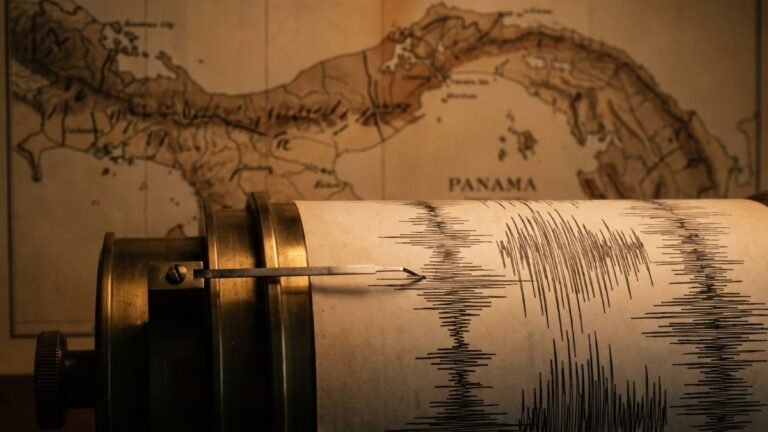
This list of earthquakes in Panama brings together the strongest earthquakes recorded in the country since 1621, with their date, area, magnitude, and effects. The strongest measured with modern instruments is the October 9, 2026, Azuero earthquake, magnitude 7.7. In

Concrete admixtures account for a tiny fraction of the cost of a cubic meter, but they determine how concrete flows, how strong it gets, how long it lasts, and how much CO2 it emits. That was the central idea of

Panama’s fault lines number in the dozens. The map of Quaternary faults and folds by the U.S. Geological Survey (USGS) and the Institute of Geosciences at the University of Panama catalogs 22 main structures, divided into more than 40 sections,


