Many urban floods are not caused by rain alone: bags, bottles, oil, tires and bulky objects block drains and sewers and reduce their capacity exactly when it is needed most. Protecting the sanitation system starts at home, with a simple habit: making sure trash always ends up where it belongs.
This content is part of our construction magazine for the Americas, within the editorial line dedicated to sustainability applied to the construction industry.
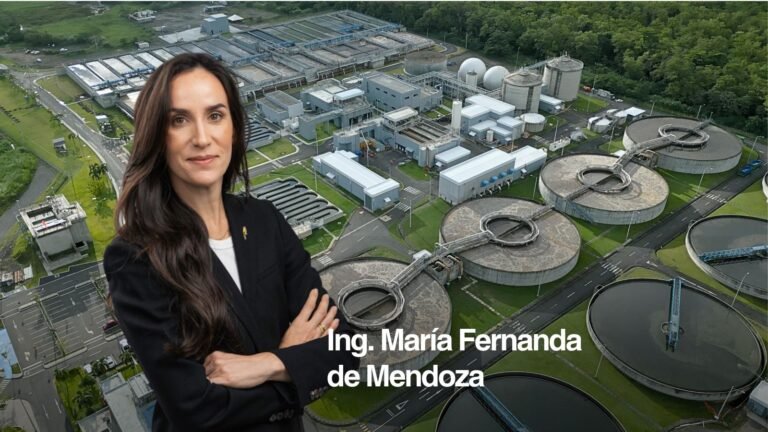
We spoke with Eng. Laura Priscilla Vásquez González, a mechanical and naval engineer and treatment plant supervisor for the Panama Sanitation Program, who sees every day the technical, environmental and economic consequences of habits that seem harmless.
You can also read the version published in the July 2026 issue of ConstructHUBS magazine (in Spanish).
Sanitation starts before the plant
“Every action we take at home has a direct impact on the infrastructure,” Vásquez explains. Throwing waste in the toilet, pouring oil down the sink or leaving trash in the street affects a network designed to carry water, not waste. What disappears down the drain does not stop being our problem: it starts a journey that depends on how well we use the system.
How does trash cause flooding?
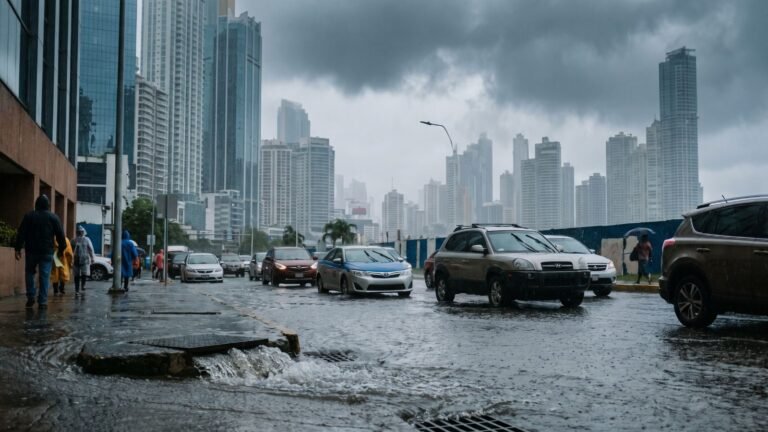
Drains are like the city’s arteries: they carry rainwater to natural watercourses. When bottles, bags, containers or tires get into them, their capacity drops or they become completely blocked. When heavy rain falls, water looks for a way out and accumulates in streets and neighborhoods, causing floods that in many cases could have been mitigated.
What turns up during maintenance
Mattresses, tires, toys and vehicle parts have been found in the system. Each represents staff, time and money spent removing something that should never have been there, resources that could have gone into expanding coverage or preventive maintenance.
Consequences for the city
- Operational: more blockages, breakdowns and emergency interventions, and lower efficiency.
- Environmental and health: contact with contaminated water during floods, proliferation of disease vectors and deterioration of water bodies.
- Economic: every resource spent fixing avoidable damage is not invested in new infrastructure.
One habit change for every family
If she could ask for just one, Vásquez would ask people to make sure trash always ends up in the right place. “A plastic bag that doesn’t end up in the street is one less bag blocking a sewer.” Other key habits:
- Don’t use the toilet as a trash can: no wet wipes, diapers or plastics.
- Don’t pour cooking oil down the sink.
- Dispose of bulky waste through the proper channels.
“Infrastructure alone does not solve the problems.” The city we want also depends on each citizen’s daily decisions. On the engineering side, the other part of the solution is sustainable drainage, and the system’s context is explained by the Panama Sanitation Program.
Frequently asked questions
Why do streets flood even when it doesn’t rain much?
Often because drains are blocked by trash and cannot carry the water.
Can wet wipes be flushed?
No. Together with diapers and plastics, they are among the waste that damages sewers the most.