Bringing safe water to a community and treating its wastewater requires a design adapted to each source and, above all, trained operators. A technically perfect plant without local training fails prematurely. And with technologies such as MBR, treated wastewater can be reused for irrigation and cleaning.
This article was originally published in our construction digital magazine, within the editorial line dedicated to sustainability applied to the construction industry.
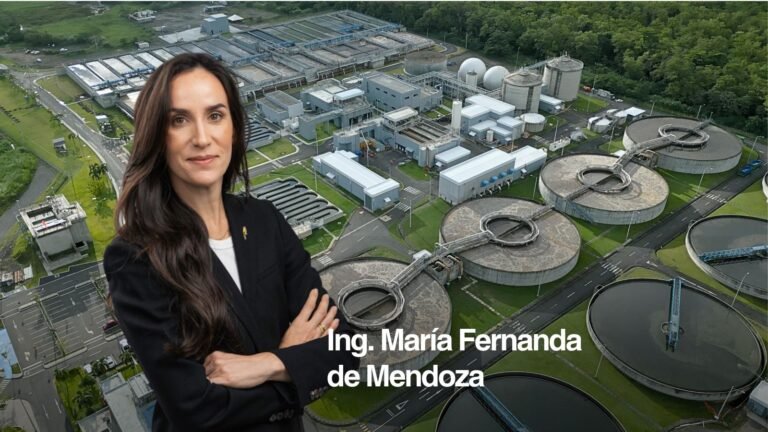
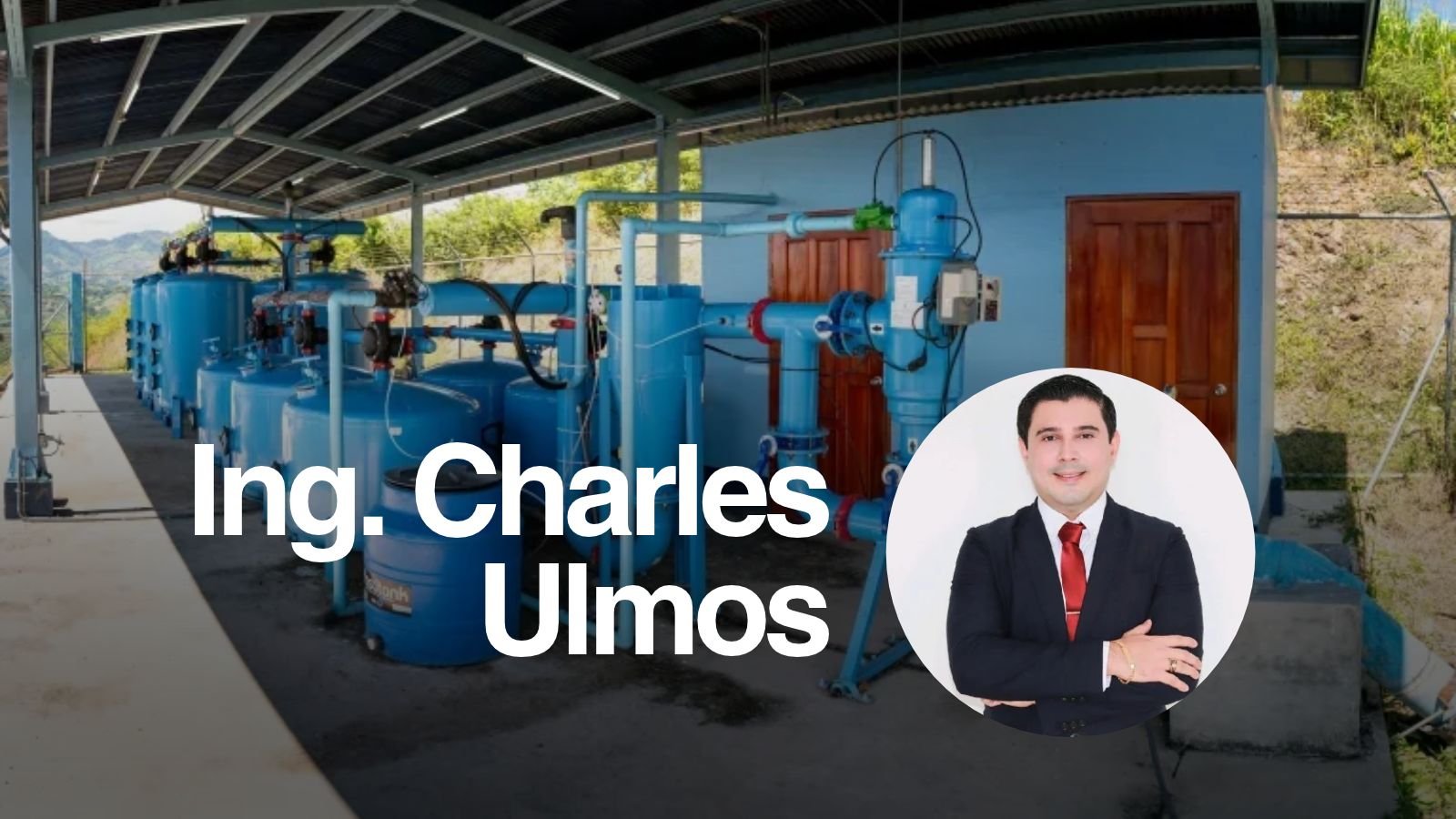
We spoke with Eng. Charles Ulmos, a licensed civil engineer, member of COICI and operations manager at Water Soil Solutions.
You can also read the version published in the July 2026 issue of ConstructHUBS magazine (in Spanish).
How is surface water made drinkable?
Water from springs, streams and rivers goes through a treatment train: intake, conveyance, treatment and delivery to the network. In treatment, self-cleaning prefilters retain organic matter and solids; then come clarification and filtration, with pressurized filters and backwashing, and finally chemical dosing to disinfect and meet WHO standards.
Does the same system work for every source?
No. Each project requires analyzing the raw water and adapting the plant, from small flows to supplying an entire city. What works in one watershed must be analyzed before being replicated in another.
Solutions for rural communities
The key is easy-to-operate systems, such as pressurized plants, together with community training, ongoing technical support and supply of consumables. “A plant abandoned for lack of training is an unrecoverable loss of investment and leaves communities vulnerable.”
Wastewater treatment technologies
| Technology | Main advantage |
|---|---|
| Activated sludge (extended aeration) | Robustness and long-term stability |
| SBR (sequencing batch reactor) | Versatility: all stages in a single tank |
| MBBR (moving bed biofilm reactor) | High efficiency in a compact format |
| MBR (membrane bioreactor) | Very high-quality effluent suitable for reuse |
| UASB (upflow anaerobic sludge blanket) | Ideal for high organic loads; produces biogas |
Can treated wastewater be reused?
Yes. With MBR and complementary filtration, domestic wastewater reaches levels that allow it to be reused in residential developments, hospitals and industries for landscape irrigation, cleaning and other non-potable uses.
Beyond the plant
For water to arrive with the right quality and pressure, you need pressure-reducing and pressure-sustaining valves, air valves to protect networks, precision meters, dosing pumps and automated control panels, which are the system’s “brain.”
Designing treatment plants also requires coordination between structure and installations; we explain it in BIM clash detection.
Frequently asked questions
What are a WWTP and a WTP?
A wastewater treatment plant and a drinking water treatment plant, respectively.
Which technology allows wastewater reuse?
The membrane bioreactor (MBR), which combines biological treatment with advanced filtration.